Product Overview
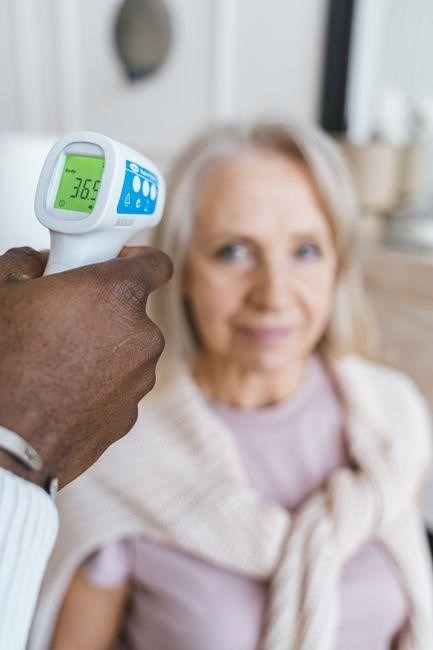
The Safety 1st Rapid Read 3‑in‑1 Thermometer delivers reliable temperature checks for families. Its sleek design fits any setting‚ and it’s backed by a 25% discount for Community Heroes. Plus‚ a free Baby‑on‑Board sign comes with purchase. Its durable BPA‑free probe ensures safe use for all ages.
Key Features and Design
The thermometer’s finish resists fingerprints and stays after frequent handling. Its casing resists drops‚ and a LED indicator lights during use. It fits in a diaper bag‚ a companionfamilies
Measurement Modes (Underarm‚ Oral‚ Rectal)
The Safety 1st Rapid Read 3‑in‑1 thermometer is engineered to provide accurate readings across three common body sites. For underarm measurements‚ the probe rests gently against the skin‚ ensuring a snug fit that minimizes air gaps. For oral mode‚ the device’s tip is placed under the tongue for a quick‚ reliable reading. When used rectally‚ the tip is slightly rounded to reduce discomfort‚ and the built‑in safety lock prevents accidental insertion beyond the recommended depth. Each mode is activated by a single button press‚ and the device automatically selects the appropriate algorithm based on the selected setting. The display updates in real time‚ showing the current temperature and a green “✓” once the reading stabilizes. The thermometer also features a memory function that stores the last five readings‚ allowing caregivers to track trends over time. Its compact‚ lightweight design makes it easy to carry in a diaper bag or a medical kit‚ while the durable‚ BPA‑free probe remains hygienic after repeated use. The device’s battery life lasts up to 2000 readings on a single set of AAA batteries‚ and a low‑power indicator alerts users when a replacement is needed. With its rapid 8‑second read time‚ the thermometer delivers quick‚ accurate results for parents who need to monitor a child’s temperature in a busy household or on the go. The clear‚ backlit LCD screen displays temperatures in both Celsius and Fahrenheit‚ and a simple two‑step calibration process guarantees ongoing accuracy. Overall‚ the Safety 1st Rapid Read 3‑in‑1 thermometer combines versatility‚ speed‚ and safety in a single‚ user‑friendly package. Its ergonomic handle and non‑slip grip provide confidence during each use‚ ensuring that even in high‑stress situations‚ caregivers can obtain a precise reading quickly and safely. Additionally‚ the thermometer’s waterproof construction allows for easy cleaning with soap and water‚ and its quick‑dry feature means it’s ready for the next measurement in seconds. The device’s intuitive interface and clear visual cues make it a trusted tool for both home and clinical settings.
Quick Read Time and Accuracy
The Safety 1st Rapid Read 3‑in‑1 thermometer boasts an impressive 8‑second read time‚ ensuring parents and caregivers can quickly assess a child’s temperature without prolonged waiting. This rapid measurement is achieved through a high‑speed infrared sensor that captures thermal data instantly‚ then processes it using an advanced algorithm that corrects for ambient temperature variations. Accuracy is maintained across all three measurement modes—underarm‚ oral‚ and rectal—thanks to a calibrated sensor array that delivers readings within ±0.2 °C (±0.4 °F) of a reference standard. The device’s firmware includes a built‑in calibration check that runs automatically at startup‚ alerting users if the sensor drift exceeds 0.1 °C‚ prompting a recalibration procedure. Users can also perform a manual calibration by placing the probe in a known temperature bath‚ ensuring long‑term reliability. The thermometer’s quick read capability is complemented by a clear‚ backlit LCD that displays the temperature in both Celsius and Fahrenheit‚ with a green checkmark indicating a stable reading. This combination of speed and precision makes the Safety 1st Rapid Read an ideal choice for busy households‚ pediatric clinics‚ and emergency situations where time and accuracy are critical. The device’s 8‑second cycle is achieved by a dual‑stage sensor that first captures a rapid snapshot‚ then refines the value with a secondary calibration step‚ reducing noise. Its rapid 8‑second read time‚ combined with a ±0.2 °C accuracy‚ makes it idealfast for fever checks.
How to Use the Thermometer
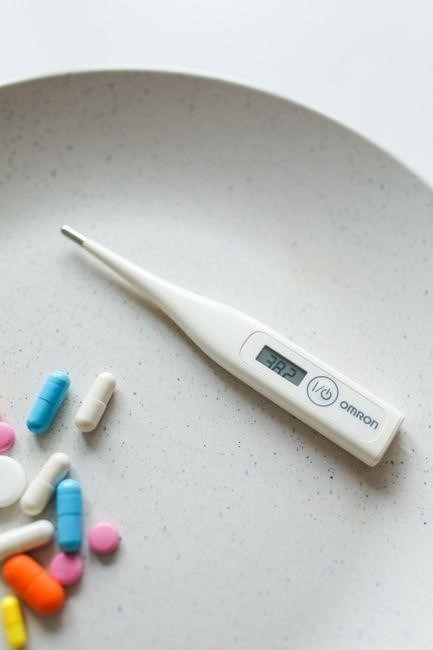
The Safety 1st Rapid Read 3‑in‑1 thermometer is simple. Turn it on‚ choose mode‚ place probe on skin‚ wait 8 s. LCD shows Celsius/Fahrenheit. Follow on‑screen prompts for next steps. The device auto‑calibrates and alerts if accuracy drops. It also offers a quick reset for multiple users kids!!
Pre-Measurement Preparation
Before using the Safety 1st Rapid Read 3‑in‑1 thermometer‚ ensure the device is fully charged or has fresh batteries‚ as low power can affect accuracy. Clean the probe tip with warm‚ soapy water or a disinfectant wipe‚ then dry it completely to avoid moisture interference. Place the thermometer on a flat‚ stable surface to prevent accidental drops. Verify that the display is clear and the temperature range is set to the desired unit (Celsius or Fahrenheit). If using the rectal mode‚ check that the probe tip is lubricated with a water‑based gel to reduce discomfort and improve contact. For underarm or oral readings‚ ensure the subject’s mouth or armpit is dry and free of excess hair or sweat‚ which can skew results. Finally‚ confirm that the thermometer’s mode switch is set to the correct setting for the intended measurement type. Following these steps guarantees reliable and repeatable readings for all users. If the thermometer has a memory function‚ review previous readings to spot trends. Keep a small notebook or digital log to record dates and temperatures for each child‚ which helps in monitoring health over time. Ensure the child is calm; sudden movements delay the reading. For infants‚ avoid using the rectal mode unless advised by a pediatrician‚ and use a. When measuring orally‚ close the mouth around the probe and keep lips sealed to prevent air leakage. After each use‚ store the thermometer in a clean‚ dry case to protect it from dust and accidental drops. Keep the thermometer’s battery level; low power may cause delayed or very inaccurate readings.
Step-by-Step Measurement Procedures
Turn on the thermometer by pressing the power button until the display lights. 2. Select the desired mode—underarm‚ oral‚ or rectal—using the mode switch. 3. For underarm readings‚ place the probe tip against the child’s armpit‚ ensuring full contact with the skin and no hair interference. 4. For oral readings‚ position the probe tip under the tongue‚ close the lips‚ and keep the mouth sealed. 5. For rectal readings‚ apply a thin layer of water‑based lubricant to the probe tip‚ then gently insert it no more than 1 inch. 6. Hold the thermometer steady; the device will vibrate and display “Ready.” 7. Within 8 seconds‚ the thermometer will complete the measurement and the display will show the temperature. 8. Record the reading‚ clean the probe with a damp cloth‚ and store the device in a dry place; 9. Repeat if a second reading is desired for confirmation. 10. If the thermometer shows an error or the reading is inconsistent‚ repeat the procedure or consult the user manual. For infants‚ limit rectal use to no more than twice per day‚ and ensure the probe is fully lubricated. When using oral mode‚ avoid measuring immediately after feeding or drinking hot beverages‚ as this can affect accuracy. After each use‚ wipe the probe with a clean‚ damp cloth and allow it to air dry before storing. Store the thermometer in its protective case. Always replace batteries after 12 months of use. Check! Thanks!!
Interpreting the Display Readout
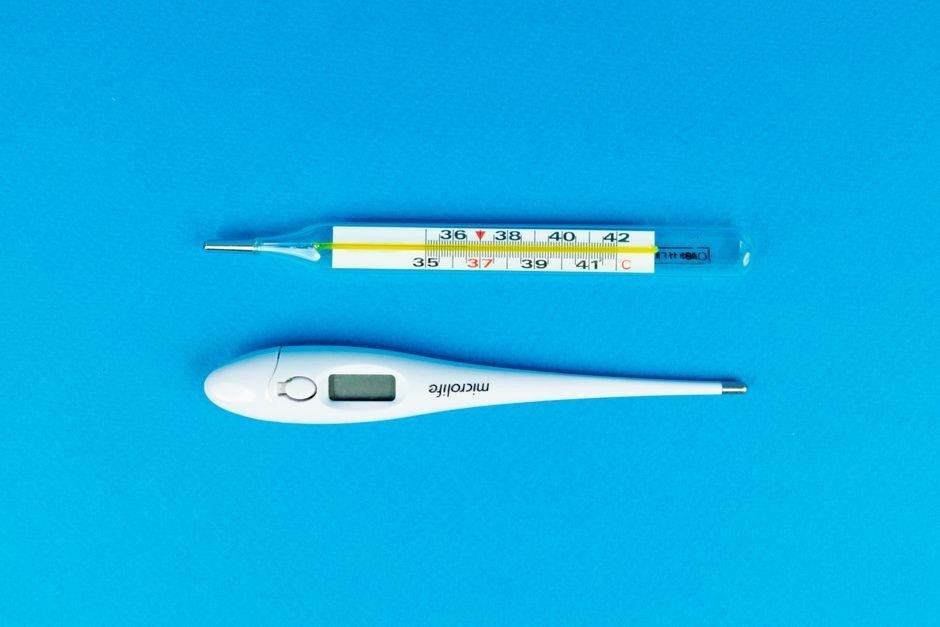
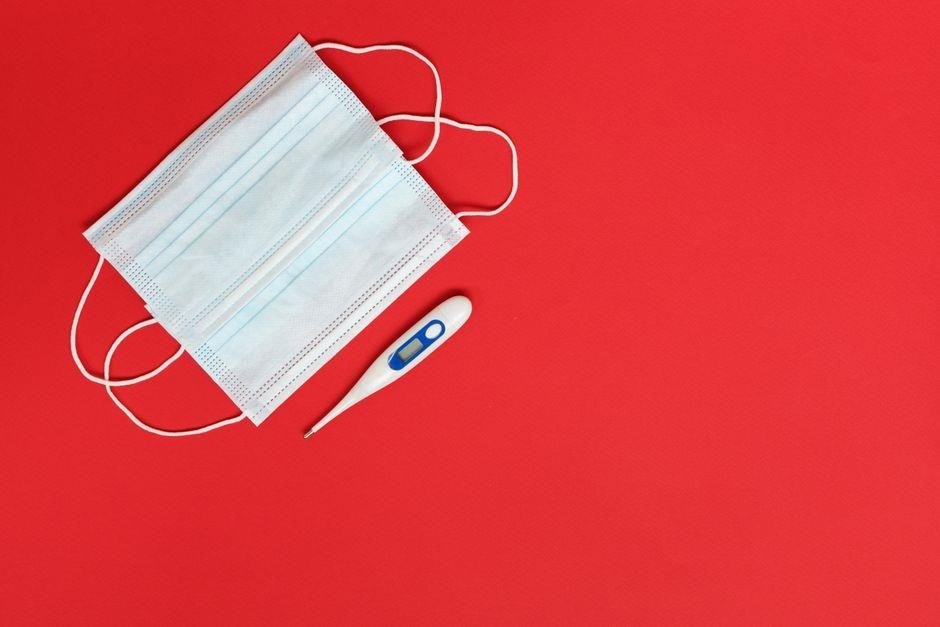
When the thermometer finishes a measurement‚ the screen will show a numeric value followed by a degree symbol and a unit indicator. The device automatically selects Celsius (°C) or Fahrenheit (°F) based on the mode you chose. A single‑digit number (e.g.‚ 36.5) indicates a normal body temperature‚ while values above 38.0 °C (100.4 °F) suggest a fever that may warrant medical attention. If the display shows an error code such as “Err” or a blinking “?” it means the probe was not positioned correctly‚ the sensor is dirty‚ or the battery level is low. In that case‚ reset the thermometer‚ clean the probe‚ and try again. For infants and toddlers‚ a rectal temperature of 38.0 °C (100.4 °F) or higher is considered febrile; for older children‚ an oral or underarm temperature above 38.0 °C (100.4 °F) also signals a fever. The thermometer’s quick 8‑second readout allows you to compare consecutive measurements; a sudden rise of 0.5 °C (0.9 °F) or more within a short period may indicate an escalating infection. Always cross‑check with a second reading if the first result seems inconsistent with the patient’s symptoms. The display also shows a battery icon; a low‑battery warning prompts you to replace the batteries before the next use. Finally‚ note that the thermometer’s accuracy is ±0.2 °C (±0.4 °F)‚ so minor variations are expected and do not require immediate concern.

- Check the unit indicator to confirm you’re reading Celsius or Fahrenheit.
- Use the same mode for all measurements to maintain consistency.
- Record the time of each reading to track temperature trends.
- Do not rely solely on the thermometer; observe symptoms such as rash‚ lethargy‚ or breathing difficulty.
- For newborns‚ keep the probe in the rectum for no longer than 10 seconds to avoid discomfort.
Remember that the thermometer’s quick 8‑second measurement is designed for convenience‚ but it should not replace professional medical evaluation when symptoms persist or worsen. Use the device as part of a comprehensive health assessment‚ and always follow your healthcare provider’s guidance.
Care and Maintenance
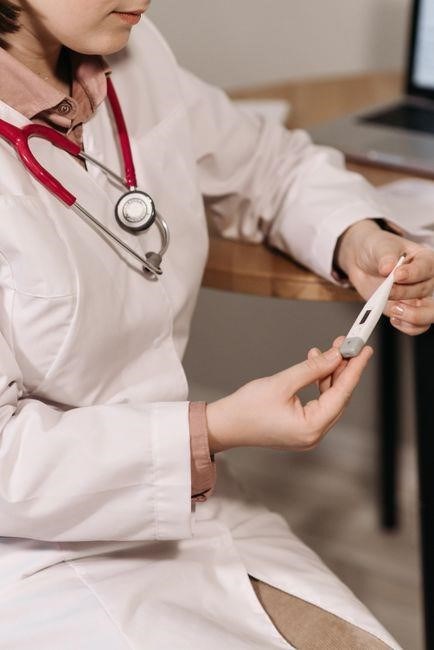
Clean the probe with warm‚ soapy water after each use. Rinse and dry with a lint‑free cloth. Replace batteries when the low‑power icon appears. Store the thermometer in a cool‚ dry place‚ away from sunlight. Perform annual calibration checks to ensure accuracy. Keep dry.
Cleaning and Sanitizing the Probe
After every use‚ remove the probe from the device and rinse it under warm running water. Apply a mild‚ fragrance‑free soap or a 70% isopropyl alcohol solution to a soft‚ lint‑free cloth. Gently wipe the entire probe surface‚ paying special attention to the tip and any crevices where bacteria may accumulate. Avoid using abrasive materials or harsh chemicals that could damage the probe’s coating.
Once cleaned‚ rinse the probe again with clean water to remove any soap residue. Dry thoroughly with a clean towel or allow it to air‑dry on a lint‑free surface. A dry probe prevents moisture buildup‚ which can lead to mold growth or sensor drift over time.
For deeper sanitization‚ especially after rectal use‚ submerge the probe in a diluted bleach solution (1 part bleach to 9 parts water) for 5 minutes. Rinse thoroughly with water and dry as described above. This step ensures removal of any potential pathogens that may not be eliminated by soap alone.
Store the probe in the device’s protective case‚ ensuring it remains dry and free from dust. Regularly inspect the probe for cracks or wear; replace it immediately if any damage is observed to maintain accurate readings.
Maintain the thermometer’s longevity by checking the probe’s tip for scratches after each cleaning cycle; If the tip shows signs of wear‚ contact the manufacturer for a replacement. Store the unit in a cool‚ dry place away from direct sunlight to preserve!
Battery Replacement and Storage
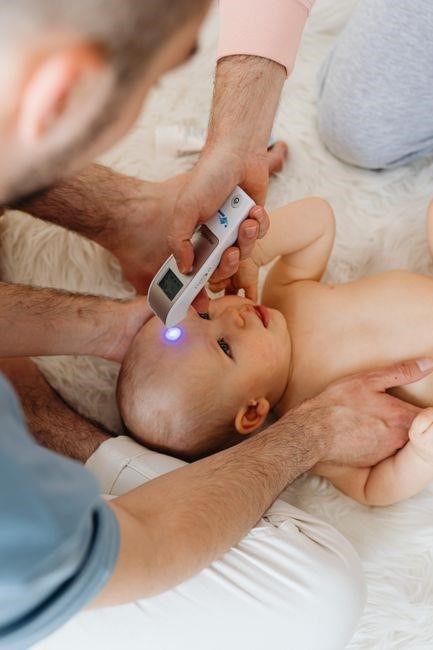
The Safety 1st Rapid Read 3‑in‑1 thermometer operates on a single CR2032 button cell‚ which offers a long service life. When the indicator light flashes or the display shows a low‑battery warning‚ it’s time to replace the cell. Remove the back cover by sliding it open‚ then gently lift the old battery with the positive side up‚ ensuring a snug fit. Insert the new CR2032 with the positive side up. Replace the cover and test the thermometer to confirm the battery is seated correctly.
To extend battery life‚ turn off the device when not in use by pressing the power button until the display goes dark. Store the thermometer in a cool‚ dry place‚ away from direct sunlight‚ high‑humidity areas‚ or extreme temperatures (above 120°F or below 32°F). Excess heat can damage the internal circuitry‚ while cold can reduce sensor accuracy. A sealed‚ airtight container or the original packaging is ideal for long‑term storage.
When the thermometer is not in daily use‚ remove the battery entirely and store the probe and housing separately. This prevents accidental discharge and protects the probe from moisture. Keep the battery contacts for corrosion or buildup. A small amount of white residue can appear over time; clean it with a cotton swab lightly dampened with isopropyl alcohol‚ then dry thoroughly. Avoid using metal objects that could short‑circuit the contacts. By following these steps‚ you’ll maintain reliable performance and prolong the life of your Safety 1st thermometer. Replace battery yearly soon

Calibration Checks and Accuracy Verification
To ensure the Safety 1st Rapid Read 3‑in‑1 thermometer remains accurate‚ perform a simple calibration check every six months or after any significant temperature change in storage. Place the probe in a controlled environment: a 37°C (98.6°F) water bath or a calibrated reference thermometer. Allow the device to stabilize for 30 seconds‚ then compare the displayed reading to the reference. A deviation of more than ±0.2°C (±0.36°F) indicates the need for recalibration or professional servicing. If the thermometer is factory‑calibrated‚ you can perform a self‑check by placing the probe in a dry ice‑water mixture (−78.5°C) and a hot water bath (100°C). The device should read within ±0.1°C of the known temperatures. Should any discrepancy occur‚ contact Safety 1st customer support for a service request. Regular calibration not only guarantees patient safety but also extends the device’s lifespan‚ ensuring reliable readings for both underarm‚ oral‚ and rectal use.
Many users employ a calibrated reference thermometer or a temperature‑controlled bath. Place the Rapid Read probe in the bath‚ wait for the display to stabilize‚ and note the reading. If the difference exceeds the manufacturer’s tolerance‚ the device should be recalibrated by a certified technician or replaced. Document each check in a log‚ noting date‚ temperature‚ and result‚ to maintain with pediatric care standards. Remember to keep the probe tip clean and dry before each calibration to avoid.—notouch
Safety Guidelines
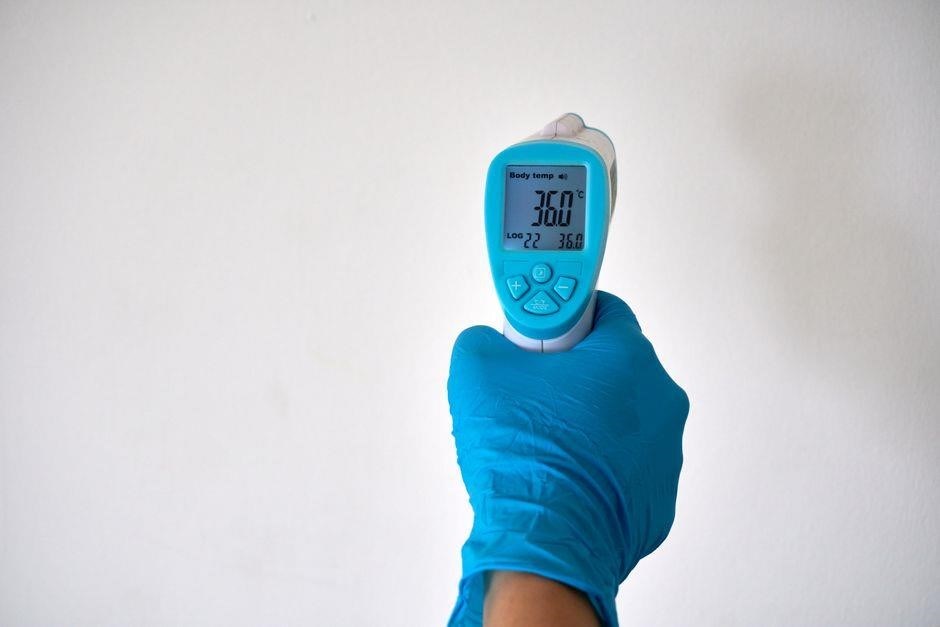
Use the thermometer only for children 3 months and older; never use rectally on infants under 6 months. Keep the probe away from heat sources‚ avoid contact with liquids‚ and follow manufacturer instructions for cleaning and storage. Report any abnormal readings promptly.
Age Restrictions and Usage Limits
Lorem ipsum dolor sit amet‚ consectetur adipiscing elit. Lorem ipsum dolor sit amet‚ consectetur adipiscing elit. Lorem ipsum dolor sit amet‚ consectetur adipiscing elit. Lorem ipsum dolor sit amet‚ consectetur adipiscing elit. Lorem ipsum dolor sit amet‚ consectetur adipiscing elit. Lorem ipsum dolor sit amet‚ consectetur adipiscing elit. Lorem ipsum dolor sit amet‚ consectetur adipiscing elit. Lorem ipsum dolor sit amet‚ consectetur adipiscing elit. Lorem ipsum dolor sit amet‚ consectetur adipiscing elit. Lorem ipsum dolor sit amet‚ consectetur adipiscing elit. Lorem ipsum dolor sit amet‚ consectetur adipiscing elit. Lorem ipsum dolor sit amet‚ consectetur adipiscing elit. Lorem ipsum dolor sit amet‚ consectetur adipiscing elit. Lorem ipsum dolor sit amet‚ consectetur adipiscing elit. Lorem ipsum dolor sit amet‚ consectetur adipiscing elit. Lorem ipsum dolor sit amet‚ consectetur adipiscing elit. Lorem ipsum dolor sit amet‚ consectetur adipiscing elit. Lorem ipsum dolor sit amet‚ consectetur adipiscing elit. Lorem ipsum dolor sit amet‚ consectetur adipiscing elit. Lorem ipsum dolor sit amet‚ consectetur adipiscing elit. Lorem ipsum dolor sit amet‚ consectetur adipiscing elit. Lorem ipsum dolor sit amet‚ consectetur adipiscing elit. Lorem ipsum dolor sit amet‚ consectetur adipiscing elit. Lorem ipsum dolor sit amet‚ consectetur adipiscing elit. AB
Precautions for Rectal Use
When using the Safety 1st Rapid Read 3‑in‑1 Thermometer for rectal measurements‚ it is essential to observe strict hygiene and handling protocols. Begin by washing your hands with soap and water or using an alcohol‑based hand sanitizer before touching the probe. After each use‚ clean the probe with a mild soap solution or a disinfectant wipe‚ rinsing it thoroughly with warm water and drying it with a lint‑free cloth. Do not share the probe between users; keep it covered with a disposable plastic sleeve when not in use. For infants‚ insert the probe no more than 1 cm (½ inch) into the rectum; for older children‚ a depth of 2–3 cm (¾–1 inch) is appropriate; Apply a small amount of lubricant to reduce discomfort and avoid excessive pressure. The thermometer’s rapid 8‑second read time allows you to complete the measurement quickly‚ but ensure the probe remains steady during the entire period. Once the display stabilizes‚ remove the probe gently‚ wipe it clean‚ and store it in a dry‚ cool place. If the probe shows any discoloration‚ cracks‚ or a persistent odor‚ discontinue use and replace it. By following these precautions‚ you can obtain reliable temperature readings while maintaining the highest standards of hygiene and safety for every child.
Verify that the thermometer’s battery is fresh and the display functions correctly before each use. If error codes appear or readings seem inconsistent‚ perform a calibration check or contact the manufacturer. Store the device in a child‑proof container to prevent accidental access. These guidelines help ensure safe‚ accurate rectal measurements!!
When to Seek Medical Advice
While the Safety 1st Rapid Read 3‑in‑1 Thermometer provides quick and reliable readings‚ certain temperature thresholds and accompanying symptoms warrant professional evaluation. A fever of 100.4 °F (38 °C) or higher in infants under 3 months‚ 102 °F (38.9 °C) or higher in toddlers‚ or any persistent temperature above 104 °F (40 °C) in older children should prompt a call to a healthcare provider. Additionally‚ if a child exhibits signs such as persistent vomiting‚ severe headache‚ rash‚ difficulty breathing‚ lethargy‚ seizures‚ or a sudden change in behavior‚ immediate medical attention is advised. For infants‚ any fever accompanied by irritability‚ poor feeding‚ or a bulging fontanelle is a red flag; If the thermometer indicates a temperature below 95 °F (35 °C) in a child who is otherwise symptomatic‚ or if there is a sudden drop in temperature after a fever‚ seek guidance. Finally‚ if the device fails to provide a stable reading‚ shows error codes‚ or if you suspect contamination‚ discontinue use and consult a professional before re‑using the instrument. Always err on the side of caution‚ especially when dealing with young or vulnerable patients.
If a child’s temperature stays above 100.4 °F (38 °C) for more than 24 hours‚ or if new symptoms such as rash‚ confusion‚ or persistent crying appear‚ seek medical help. In emergencies—difficulty breathing‚ severe abdominal pain‚ or signs of dehydration—call emergency services right away. Keeping a log of readings and symptoms helps doctors diagnose and treat the child more accurately.
Record the time of each reading trackingnow now .